


|
Medication for Addiction
Medication can help in the treatment of addiction to alcohol, drugs, gambling, and shoplifting but when use alone, it does not work magic. There is no magic cure in addiction. But along with counseling, many people have learned to stay abstinent and that may have saved their lives. It's also important to understand that
women alcoholic/addicts have different problems than men.
Methadone is a drug for opiod treatment (heroin etc.) that lasts about 24 hrs in the system. It must be taken every day. This drug does not give a ‘high’, so the addict does not have to continuously use it to avoid with-drawl. Methadone helps stabilize the addict and counseling helps the addict to function and develop a normal life. Many stay on a methadone program for 6 months to 1 year and then gradually stop. The result of this will most likely be relapse. However, when one stays on the drug much longer, or even for life, (a methadone maintenance program) they can have jobs and be productive member in society. Program staff should be advised of any medical condition. Mixing some medications with methadone or LAAM may require special medical supervision. This is particularly important for HIV or AIDS, which addicts may get through shared needles and unprotected sex.
Disulfiram (Antabuse) is used to stop drinking. When you take this drug you experience flushing, nausea, vomiting and anxiety. The theory is that if you know you’re going to get violently sick you won’t drink, and that this drug should be taken every day. Actually, what’s most likely to happen is that alcoholics refuse to take this drug when they choose to drink. Naltrexone (ReVia) reduces craving for alcohol. This drug can help those who drink a moderate amount from over-doing it. Some programs use naltrexone to treat heroin or other opiod dependence because it blocks the drug’s effects. Before using this drug, no opiod should be in the system and one must be detoxed first. This drug works best with a strong support system, including someone who will administer the medicine responsibility. Where I’ve found nalterexone to be very effective is in treatment of gamblers and compulsive shoplifters. It seems that it reduces the high and through counseling, other strategies can be addressed to prevent relapse.
These are some medicines available for addictions and they can be an important part of
treatment.
They can be used to detoxify, to prevent the high, to reduce cravings, or to compliment counseling. As yet, we have no magic cure for addiction,
medication can help in the recovery process.
|

Like Us
Click 'LIKE' and get access to 100s of Free Self-Help Books and more
FREE SELF-HELP NEWSLETTER OPT-IN
|
Stop Negative Thinking Now
Stop Negative Thinking Now! Public Speaking Confidence Banish your fear of public speaking in minutes. Exercise Motivation Booster Boost your motivation to exercise. Ease Anxiety Melt away anxiety & fear using hypnotherapy. Quick Confidence Booster Quickly build your self confidence before stressful events Think Thin Adopt the thought strategies of slim people. Overcoming Shyness Overcome Shyness and Social Anxiety. Super Slim Me Program your mind with your weight loss goals Self Esteem Booster Boost your self esteem today - feel better in minutes Improving Concentration and Focus Create powerful focus and concentration. |
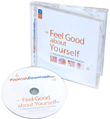
(CD)
The Feel Good About Yourself CD contains 3 specially selected hypnosis sessions.