


|
Ending Eating Disorders Provides Healing.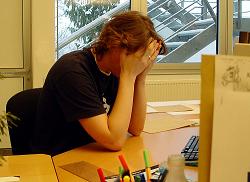
Food addicts have a food obsession. They think of food all the time. Ending eating disorders breaks this thinking and provides healing for the addiction. Food addicts have a love/hate relationship with food. For example, we know that fast food, or junk food is not good for you. The thinking of the addict is that fries are bad, vegetables are good. ‘ fries are bad’ then translates as I am bad, because I ate it and this can throw someone into a binge, or eating all day, or not eating and punishing yourself until you believe that you’ve burned off the calories. French fries are just that - fries. They are neither good nor bad. Perhaps they’re not the best choice to have if you’re choosing potatoes, but if you have them occasionally, there’s no need for punishment. The ultimate goal is to eat 3 non-dieting meals and 2-3 snacks per day. But when I say non-dieting I’m not saying huge portions and I’m not recommending one or two bites either. Habits don’t change overnight It is a slow process to break a food obsession.
Ending eating obsessionIf you are bulimic or compulsive eater, Try eating 3 meals and 3 snacks each day. Eat at the same time each day. Follow a meal plan so you know what you’re eating in advance. Do not allow yourself to eat more than planned. This will lead you to feeling ‘bad’ about yourself and it may trigger you to binge or purge. If you’re eating compulsively stick to the meal schedule only. Chew gum, drink plenty of water, and distract yourself with activities that are not related to eating. anorexics Eat 6 – 8 small meals per day. Small meals will not leave you feeling as bloated or as full as a normal meal, but you will still feel bloated and fat, because your body is not used to it. This can take up to 2 months so keep at it. The body is healing itself. You’ll feel much better and have more energy once you give your body the nutrition it needs. As much as you want to, don’t go on the scale. In fact, throw it out, or have someone hide it. You don’t need a reminder that you are gaining or losing weight. You can feel it. (and I know you don’t like it, but hang in there). Binge foods are usually carbs. and junk food. Eating these foods may trigger a binge. Avoid them for awhile because you probably associate these with guilt. Anorexics may start by introducing soft foods like applesauce, macaroni, oatmeal, mashed potatoes, etc. They’re easier to digest. Slowly introduce solids until you get used to the feeling and you'll be on the road to ending eating issues.
Think of food as medicine. You must eat for healing. We need food to live – no to destroy ourselves. If you exercise compulsively, cut back. If you don’t exercise at all, start slowly, but start. Go for a walk. Climb stairs instead of taking the elevator. Stop using food to cope with stress and emotions. Develop alternative behaviors and coping mechanisms: relaxation techniques, meditation, work, socializing etc. Seek social support from a professional or a trusted person. This is an important step in getting in touch with your feelings. It takes courage to confront your problems and strength to overcome them, but you can’t even begin to solve an issue unless you are aware that you have one. Take it one day at a time! Just like any compulsive behavior, you will have slips. Again, don’t beat yourself up with guilt, get right back on track This includes relaxation techniques, meditation, exercise, productive work, getting professional help, or talking with trusted people. Overeaters Anonymous can be helpful This is a 12-step program and you can probably find one in your area.If you have severe problems, see a doctor or go to a hospital or an ending eating disorder clinic. Private counseling works well for those with a lower level of this addiction. My office is in the Montreal area, but you can also reach me for coaching. You probably know every diet that's out there. Coaching is not therapy. It's more like being on a team. You and your coach work together to reach your goals. You get tips and techniques and find out what works best for you. You and your coach become a winning team.
Find out more about this
(Source: Turning Points, by R. Davis PhD.& W. Phillips, Toronto, Canada 1994)
|

Like Us
Click 'LIKE' and get access to 100s of Free Self-Help Books and more
FREE SELF-HELP NEWSLETTER OPT-IN

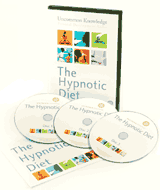
(Triple CD)
A revolutionary new approach to weight loss.

Click Here For Natural Health Remedies
Natural & Herbal Remedies Blog - Advice to Relieve Anxiety, Compulsive Eating & More